Poor Circulation in Your Feet: Signs You Shouldn't Explain Away
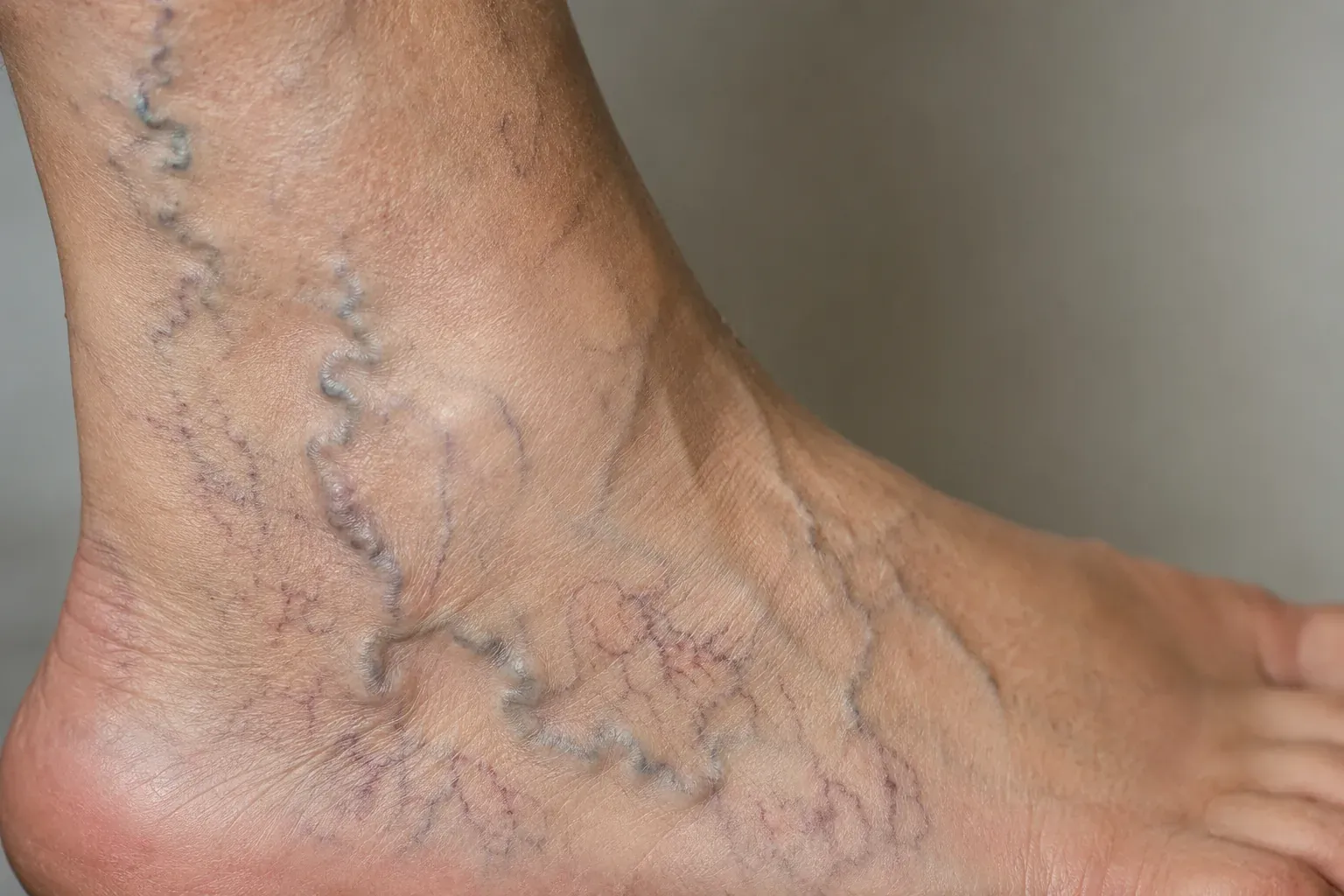
Feet are the first place circulation problems show and the last place people look for them. The signs have patterns.
Read the article →Dr. Zimmermann has provided diabetic foot care in Danville since the office opened in 1995, and is a member of the American Diabetes Association. The premise of this work is simple: with diabetes, feet fail quietly, so someone who knows what to look for has to check them on a schedule that does not depend on symptoms.
Over time, high blood sugar does two damaging things to feet. It dulls the nerves, so a rubbing boot, a stepped-on splinter, or bathwater that is too hot stops registering as pain. And it narrows and stiffens the small blood vessels, so skin repairs slowly once it breaks. Neither problem announces itself, but both are measurable in an exam room. Diabetic foot care is the discipline built around that fact: scheduled exams that test what you cannot feel, professional handling of nails and calluses, and a standing agreement that anything new gets seen fast.
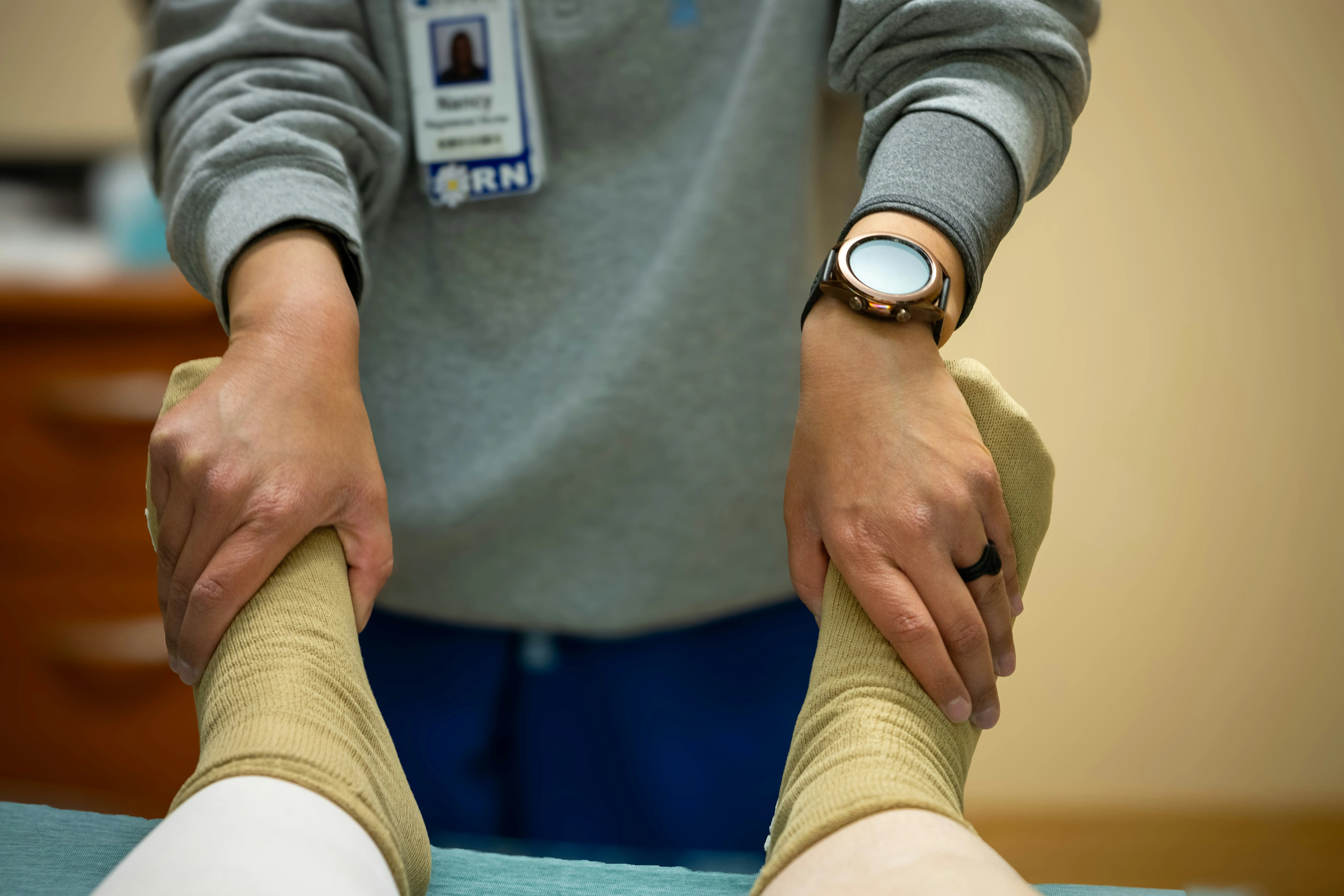
The diabetic foot exam is a structured risk assessment. A thin monofilament wire and a tuning fork map exactly where sensation has faded. Pulses, skin temperature, and color grade the circulation. Skin, nails, calluses, and foot shape are inspected for tomorrow's pressure points, and your footwear is checked against your actual foot. You leave with a documented risk category that sets your exam schedule, and the findings are shared with the doctor managing your diabetes.
If you have diabetes and have never had a documented foot exam, that is the appointment to make; guidelines call for one at least yearly for every person with diabetes. Move faster than the schedule for any new sore, blister, warm or red area, swelling, or color change, ideally the same day. And if testing has already found neuropathy or poor circulation, or you have had an ulcer before, exams tighten to every two to three months and nail trimming moves into the office.
Call (859) 236-5140 promptly for: any open sore, blister, or drainage; a suddenly warm, red, or swollen foot (with or without pain); black or blue skin changes; a callus with dark or bloody discoloration. Urgent foot problems are worked into the schedule faster.
Treatment starts with the simplest option likely to work and escalates only when needed.
Your risk category sets the interval: yearly for well-protected feet, every two to three months for feet with neuropathy or an ulcer history. Medicare and most plans cover these exams because decades of evidence show they prevent amputations.
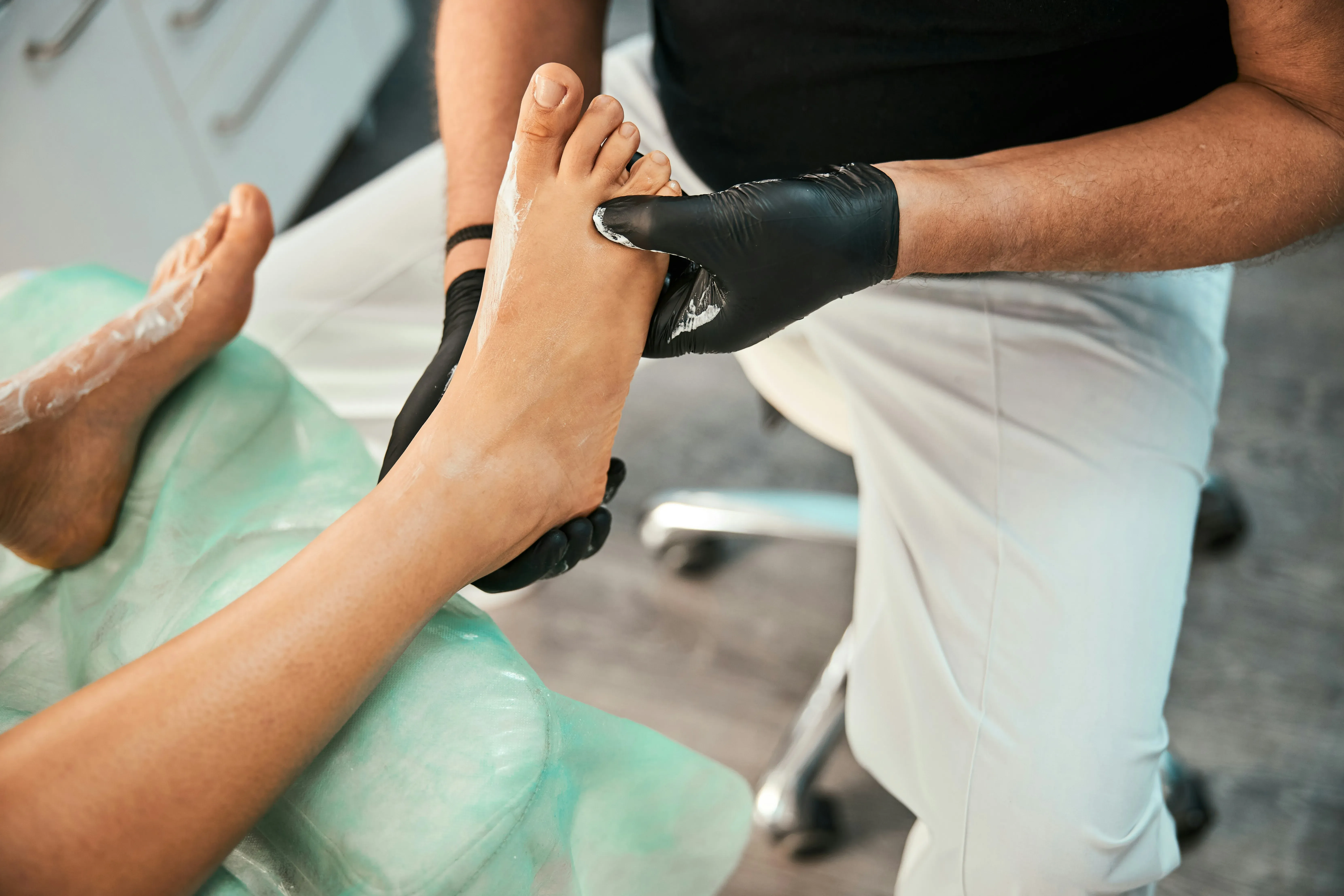
A thick callus on a numb foot can quietly ulcerate underneath it, and a nail nicked during home trimming can open the door to infection. Routine in-office care removes both risks and takes minutes.
Where the exam finds a hot spot forming, the load gets moved: padding, inserts, footwear changes, and therapeutic shoes for patients who qualify. For anyone who spends the day in work boots, fit and insole choices get specific attention, because a boot that rubs is a boot that ulcerates.
A new sore is seen urgently, cleaned and dressed properly, and offloaded so you are not walking on it while it heals. Advanced wound care steps in if healing stalls. With diabetic wounds, the calendar is the main treatment variable.
At minimum, once a year for every person with diabetes, even with no symptoms at all. The exam itself may move you to a closer interval: findings like reduced sensation, heavy calluses at pressure points, or a past ulcer typically mean visits every two to three months.
Look at both feet daily, soles included, using a mirror or a family member if bending is hard. Wash and dry well between the toes, moisturize everywhere except between the toes, never go barefoot even indoors, and shake out your boots before putting them on. Report anything new the day you find it.
Medicated corn pads and razors are acid and blades applied to skin that may not feel damage and may not heal well, which is exactly how a callus becomes an ulcer. With diabetes, hard skin should be reduced professionally, where the tissue underneath can be checked at the same time.
Not everyone does. If you have neuropathy plus a deformity, a past ulcer, or circulation problems, therapeutic diabetic shoes with molded inserts are recommended, and Medicare covers them for patients who qualify. The exam determines whether you do, and the office helps with the paperwork.
Feet are the first place circulation problems show and the last place people look for them. The signs have patterns.
Read the article →On most feet a callus is cosmetic. On a diabetic foot it's a pressure gauge, and sometimes a lid over something worse.
Read the article →Medicare pays for therapeutic shoes and inserts for qualifying diabetics every year. Most eligible patients never use it.
Read the article →One visit at our Danville office gets you a diagnosis and a plan. Call (859) 236-5140 or book online.