Heel Pain That Won't Go Away: What You're Probably Missing
When heel pain outlasts months of trying, one of four things is usually going on. None of them is 'just live with it.'
Read the article →If you spend your days in work boots or on concrete floors, sore heels can start to feel like part of the job. They aren't. Heel pain always has a specific source, and Dr. Zimmermann has been finding it and fixing it for patients in Danville since 1995.
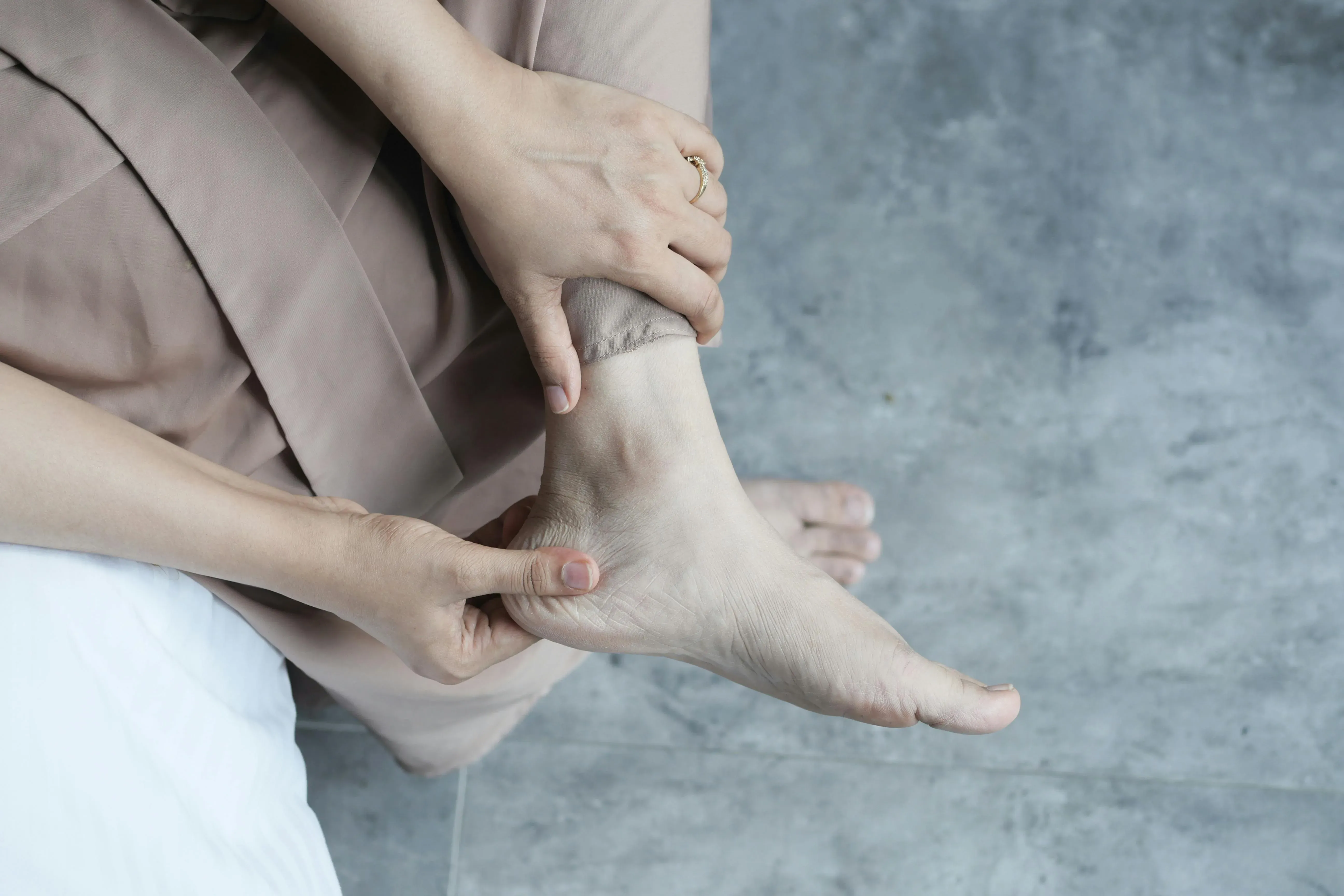
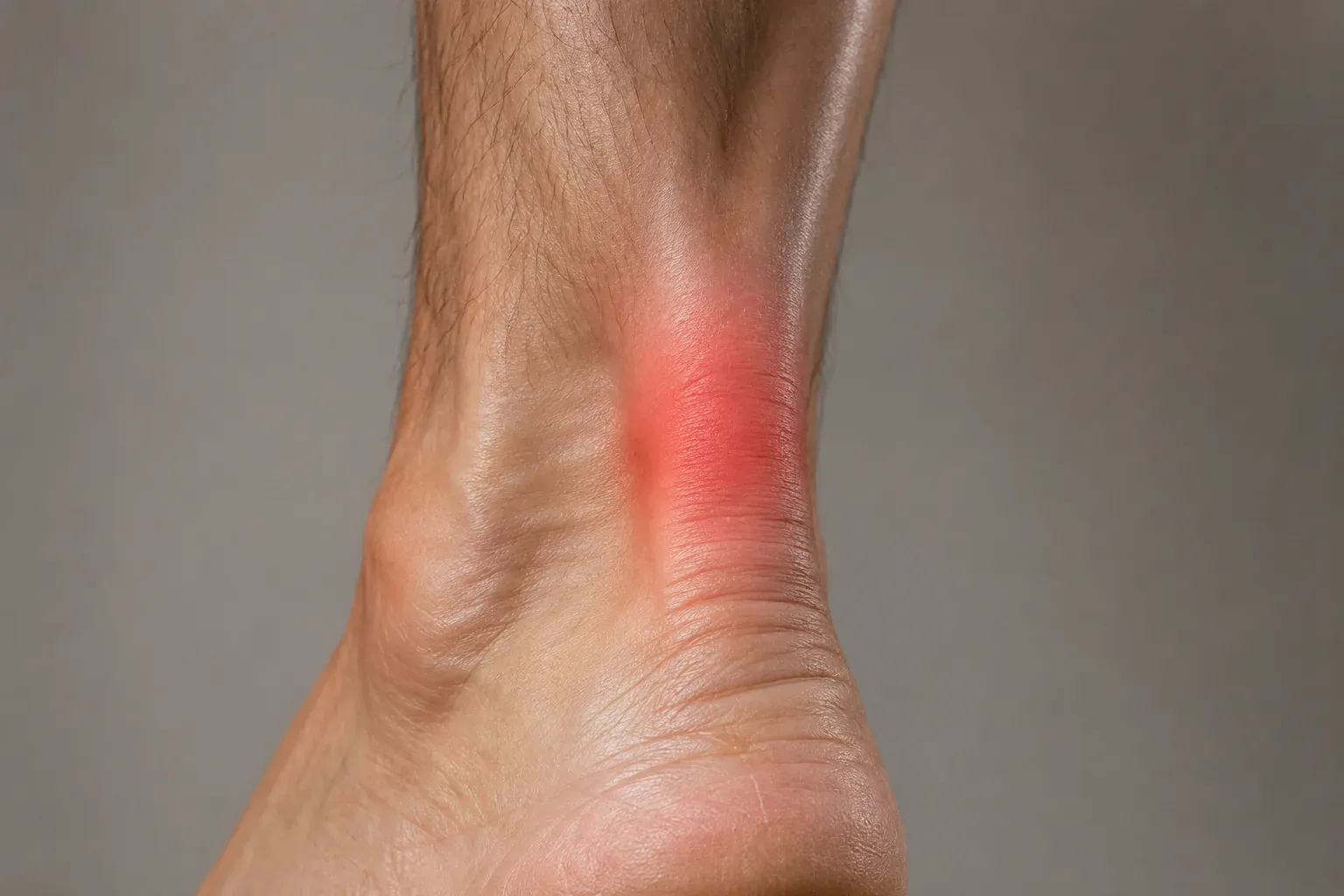
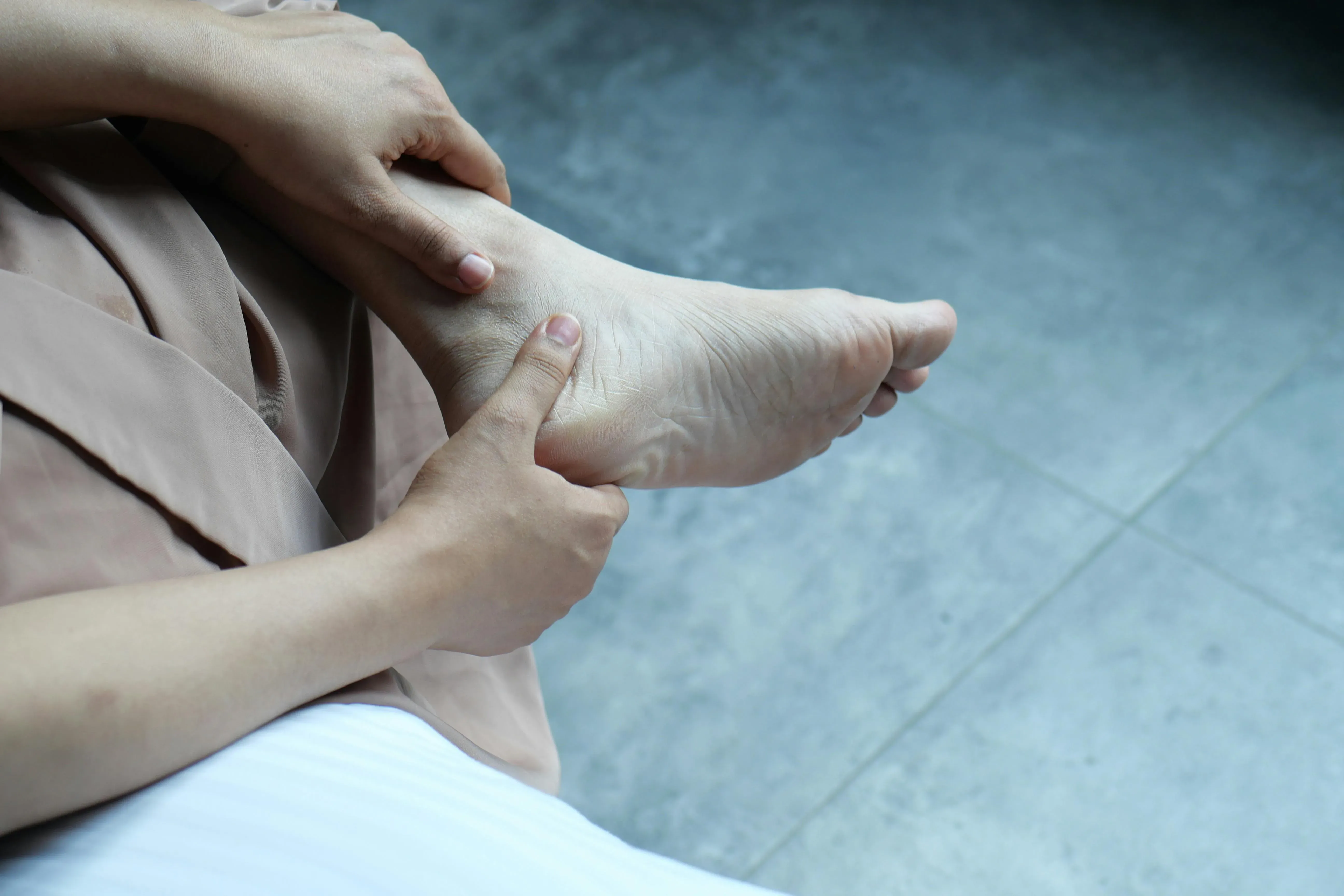
The heel bone carries more force than any other bone in the foot, and several structures around it can fail. Underneath sit the plantar fascia and a natural fat pad. Behind it run the Achilles tendon and its cushioning bursa. Through it passes a small nerve that can be pinched, and the bone itself can develop a stress reaction from overload. Each source leaves its own signature: pain with the day's first steps points under the heel, pain that worsens with push-off points behind it, and a deep ache that builds hour by hour raises the question of bone.
Most of the diagnosis happens by hand. Dr. Zimmermann presses the specific spots where each structure hurts, checks calf flexibility, watches you walk, and asks what a normal day demands of your feet, because a plan built for a desk worker will fail a farmer. In-office X-rays or ultrasound are added when the exam suggests a stress fracture, a tear, or something beyond simple overload.
A sore heel that settles over a weekend needs nothing from a doctor. One that has hurt for two weeks or more, makes you limp through a shift, or comes back every time you get busy deserves an exam. The pattern is consistent: the longer heel pain runs, the longer it takes to unwind, so a problem caught in the first month is usually a short project.
Call (859) 236-5140 promptly for: sudden severe heel pain after an injury or a pop; inability to bear weight; redness, warmth, or fever; numbness or tingling spreading through the foot. Urgent foot problems are worked into the schedule faster.
Treatment starts with the simplest option likely to work and escalates only when needed.
A written daily stretching routine for the calf and fascia, paired with footwear that matches your actual day, whether that is a work boot with a supportive insole or a firmer walking shoe. This alone settles a large share of heel pain.
When your foot mechanics keep overloading one spot, a prescription insert molded to your foot shifts that load elsewhere, and it is built sturdy enough to live in a boot.
A short series of in-office sound-wave sessions, typically weekly over several weeks, that restarts healing in tissue that has stalled. No numbing, no incision, back to work the same day.
A cortisone injection placed precisely can break a pain cycle that stretching alone cannot. Surgery for heel pain is uncommon, and you will hear every alternative before it is ever on the table.
Boots themselves are not the problem; flat, worn-out boots on concrete and hard ground are. A boot with a stiff heel counter and a supportive insole, replaced before the sole compresses flat, prevents a lot of heel pain. Bring your boots to the visit; the wear pattern helps with the diagnosis.
Location and timing. Pain under the heel with the day's first steps points to the plantar fascia. Pain at the back that worsens on stairs or with push-off points to the Achilles. A deep ache that builds with every hour on your feet raises the question of a bone stress reaction, which is when imaging earns its place.
Heel pain treated within the first month or two often improves in a matter of weeks. Pain that has been there a year is a longer project, often several months of consistent treatment. Either way you should see measurable progress within the first few weeks, and the plan changes if you do not.
For most heel pain, no, and for most working people it would not be realistic anyway. The plan works around your job: supportive footwear, stretching before and after shifts, and offloading the painful structure so it heals while you keep moving. True rest is reserved for stress fractures.
When heel pain outlasts months of trying, one of four things is usually going on. None of them is 'just live with it.'
Read the article →That stabbing first-step pain has a specific cause, and it's one of the most fixable problems in podiatry.
Read the article →The Achilles heals on tendon time, not your calendar. Knowing the real numbers prevents both premature quitting and reinjury.
Read the article →One visit at our Danville office gets you a diagnosis and a plan. Call (859) 236-5140 or book online.