Heel Pain That Won't Go Away: What You're Probably Missing
When heel pain outlasts months of trying, one of four things is usually going on. None of them is 'just live with it.'
Read the article →Plantar fasciitis has probably ruined more mornings in Danville than any other foot problem: a stab under the heel at the first step out of bed, easing as you move, returning after every rest. Treated correctly, it is also one of the most reliably fixable conditions Dr. Zimmermann sees, and surgery is almost never part of the answer.
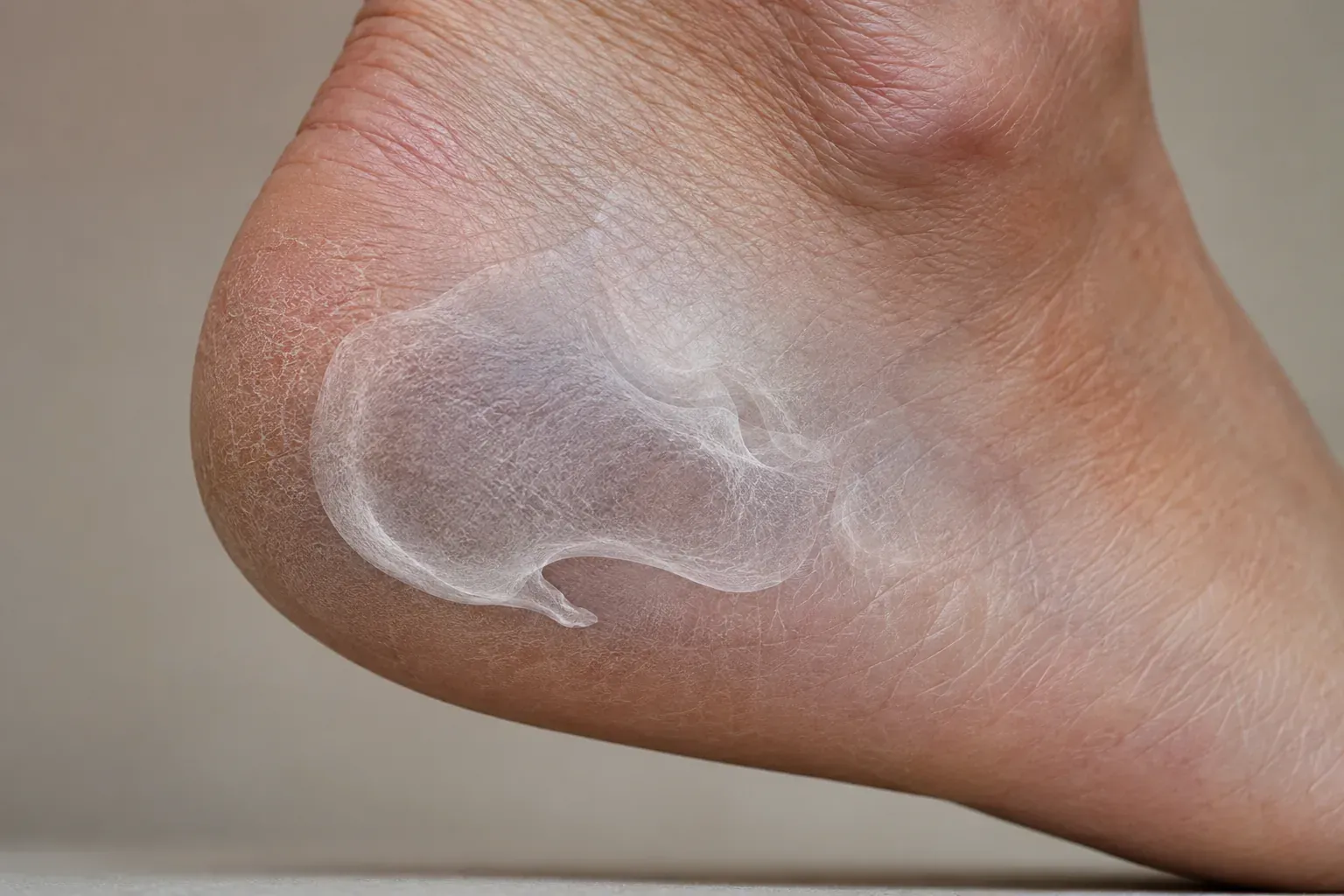
Run a thumb from your heel toward your toes along the arch and you are tracing the plantar fascia, a strap of dense tissue that keeps the arch from flattening under load. Every step stretches it, and an overloaded foot stretches it faster than it can repair. The damage concentrates where the strap anchors into the heel bone, which is why a problem of the whole arch is felt at one sharp spot under the heel. Because the underlying trouble is worn tissue rather than swelling, rest and anti-inflammatory pills alone rarely settle it for good; the load on the fascia has to change.
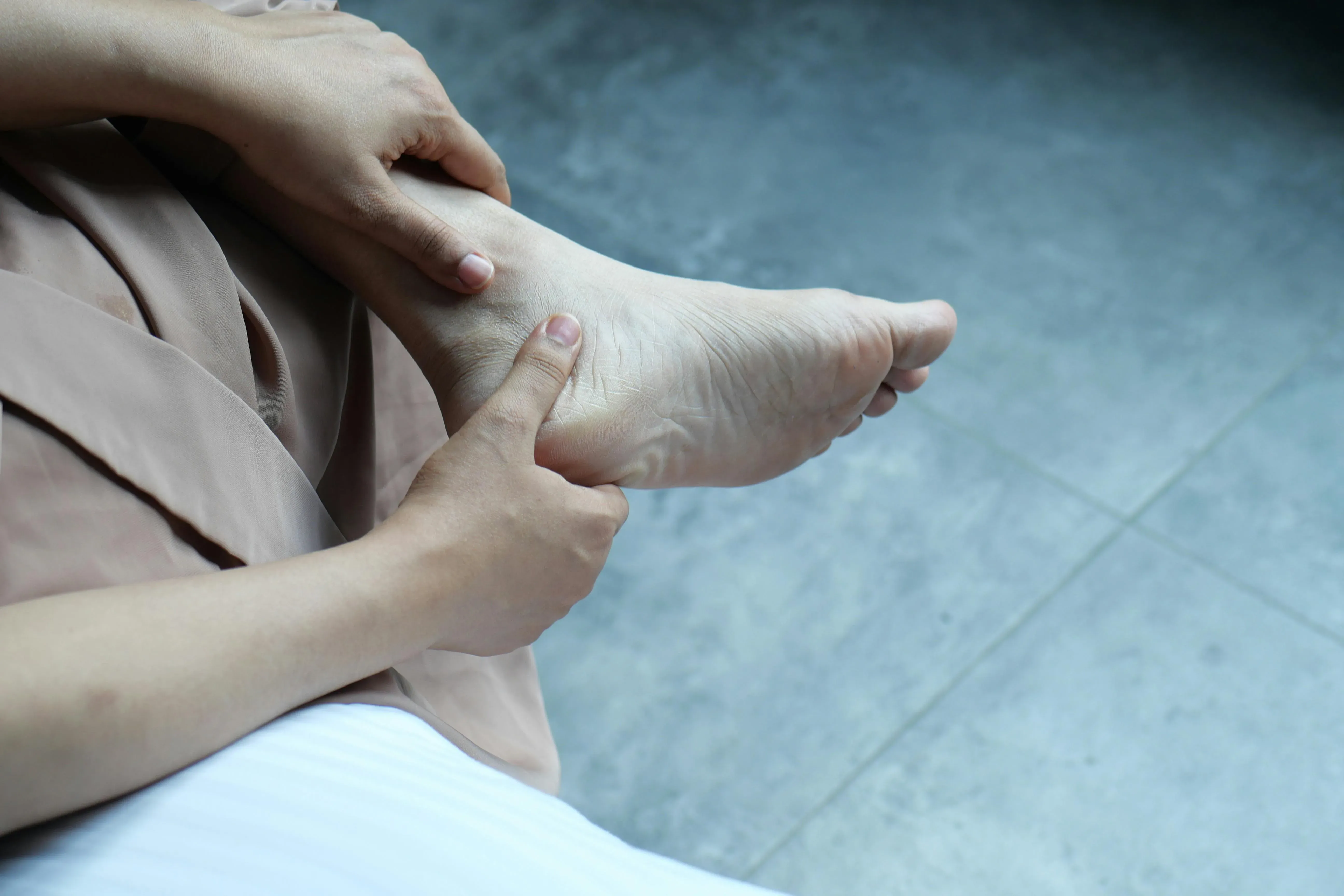
Plantar fasciitis usually declares itself within minutes of the exam: tenderness right where the fascia meets the heel bone, a tight calf on the same side, and the telltale first-step story. Dr. Zimmermann confirms it by hand rather than by routine imaging, reserving in-office ultrasound for atypical cases, where fascia thickness can be measured and a partial tear ruled out, and X-rays for suspected bone involvement.
Give it two weeks of honest self-care: daily calf stretching, supportive shoes even around the house, and backing off whatever flared it. If the morning stab is still there after that, book the visit. Months-old plantar fasciitis develops thickened, degenerated tissue at the heel attachment, and every month of waiting adds recovery time on the far end.
Call (859) 236-5140 promptly for: sudden sharp arch pain with a pop during activity, which can signal a fascia rupture; heel pain with fever or spreading redness; pain with numbness or burning into the toes. Urgent foot problems are worked into the schedule faster.
Treatment starts with the simplest option likely to work and escalates only when needed.
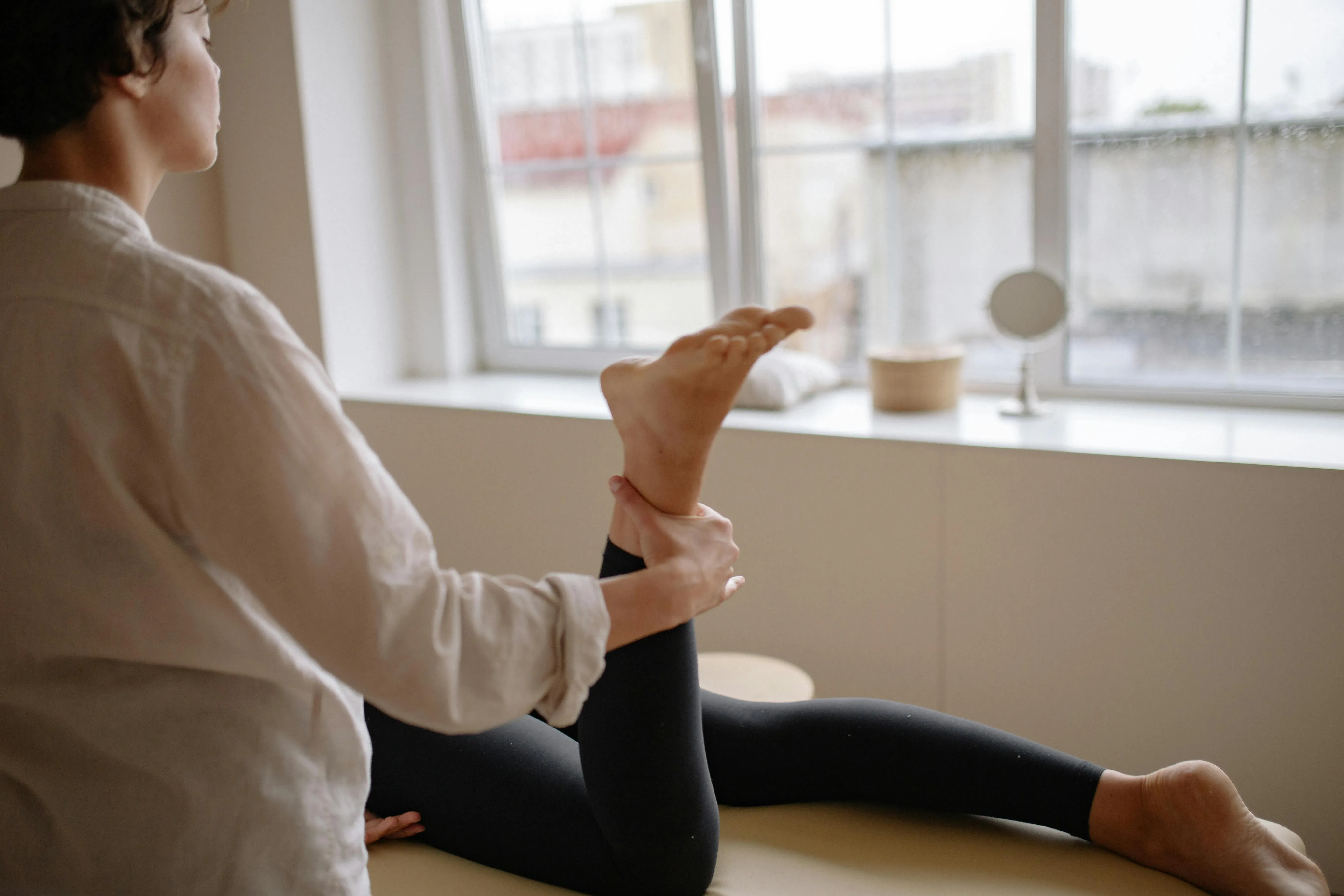
You will leave with an exact routine: which calf and arch stretches, how long to hold each, how many times a day, and when. Doing them before the first steps of the morning matters most. Done consistently, this is the core of nearly every recovery.
Taping the arch takes strain off the fascia within minutes and proves what support can do. From there the fix is shoes with a firm heel and real arch support, including inside the work boots you stand in all day.
If flat arches, high arches, or your gait keep re-tearing the fascia, molded prescription inserts change the load pattern for good and move between your shoes.
For cases that have resisted about three months of proper conservative care, focused sound waves stimulate repair in the degenerated tissue. Usually a weekly visit over several weeks, with no incision and no time off work.
Cortisone can quiet a flare too painful to rehab through, used sparingly because repeat injections weaken the fascia. The small minority of truly chronic cases have minimally invasive options; open surgery is a rarity.
While you sleep or sit, the fascia shortens and its micro-tears begin knitting together. Standing yanks the band back to full length and re-tears that fragile overnight repair, which is the sharp stab. As the tissue warms and lengthens the pain fades, until the next long rest restarts the cycle.
A firm over-the-counter arch support is a reasonable first step and helps mild, recent cases. If it has not changed your mornings within a few weeks, your foot's mechanics need more correction than a generic insert provides, and that is worth an exam rather than a third pair of insoles.
Not if the mechanics get corrected. Long shifts on hard floors are a major driver, familiar to plant and hospital workers, but supportive footwear, an insert matched to your foot, and a maintained stretching habit let most people work full days pain free.
Rarely. The large majority of cases resolve with load correction, stretching, and time, and stubborn ones usually respond to shockwave therapy. Surgical release is reserved for pain that has defeated a full year of everything else.
When heel pain outlasts months of trying, one of four things is usually going on. None of them is 'just live with it.'
Read the article →Plenty of pain-free feet have spurs, and plenty of painful heels don't. Here's how to tell what's actually going on.
Read the article →Three stretches carry most of the evidence for fixing plantar fasciitis. Here's how to do them correctly, and how often.
Read the article →One visit at our Danville office gets you a diagnosis and a plan. Call (859) 236-5140 or book online.